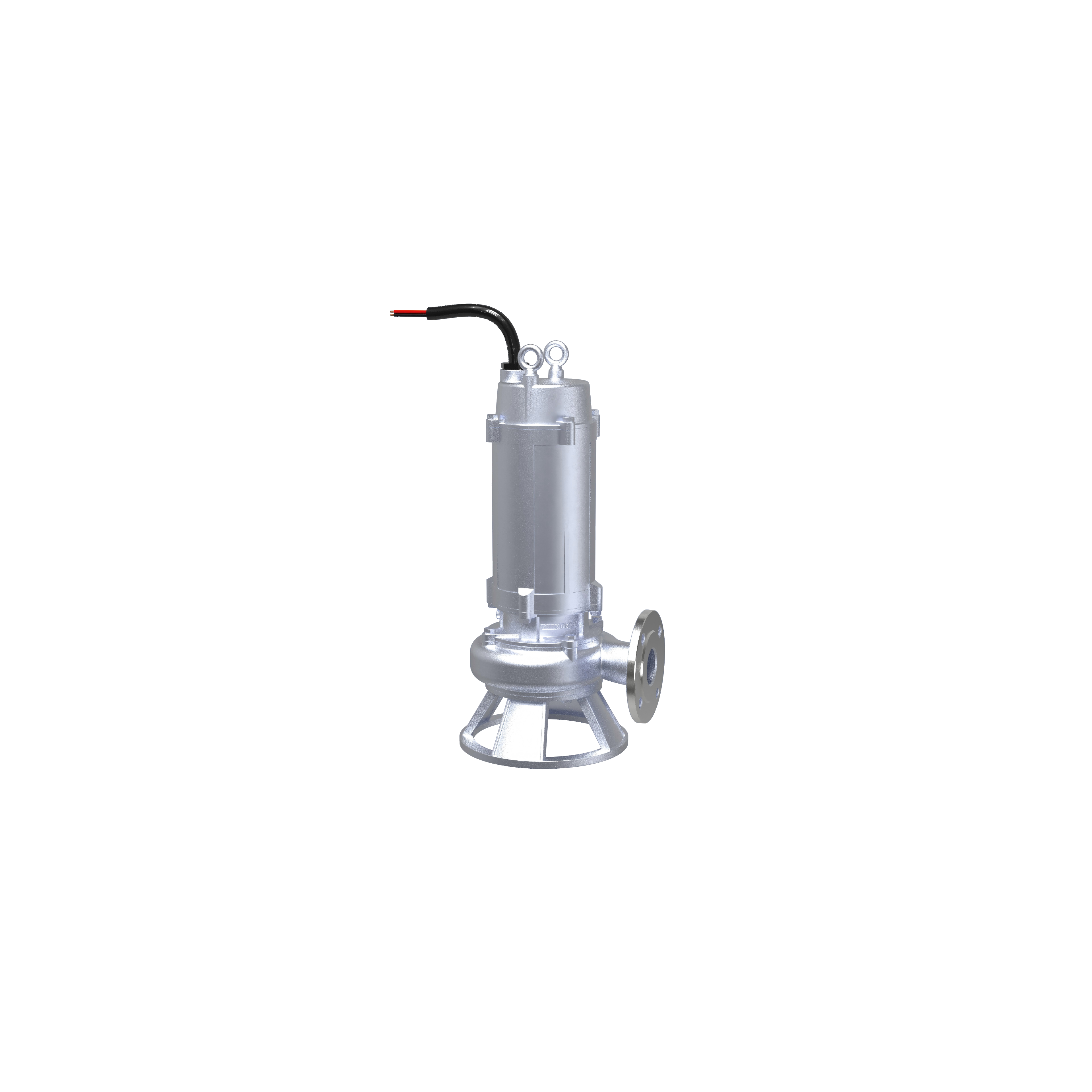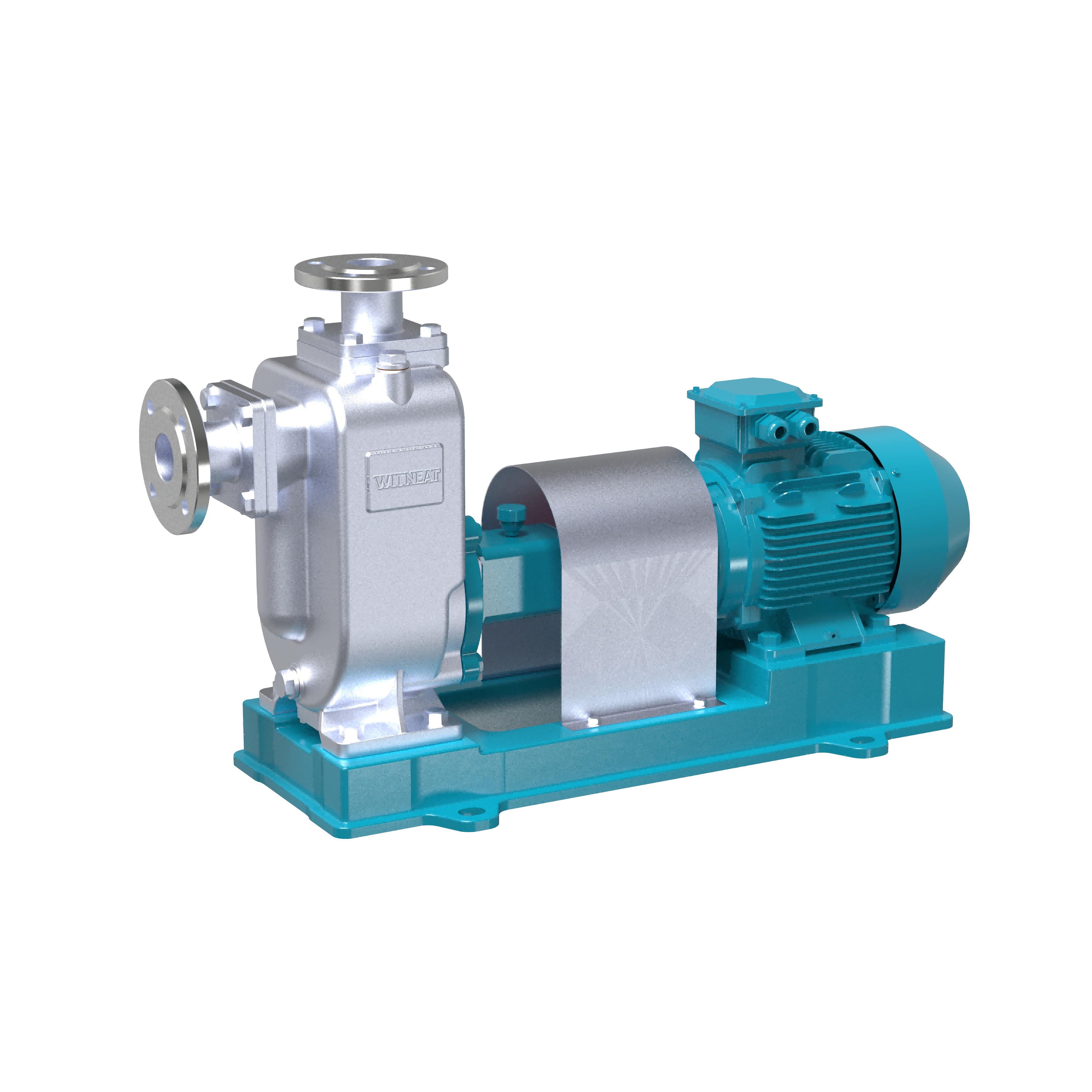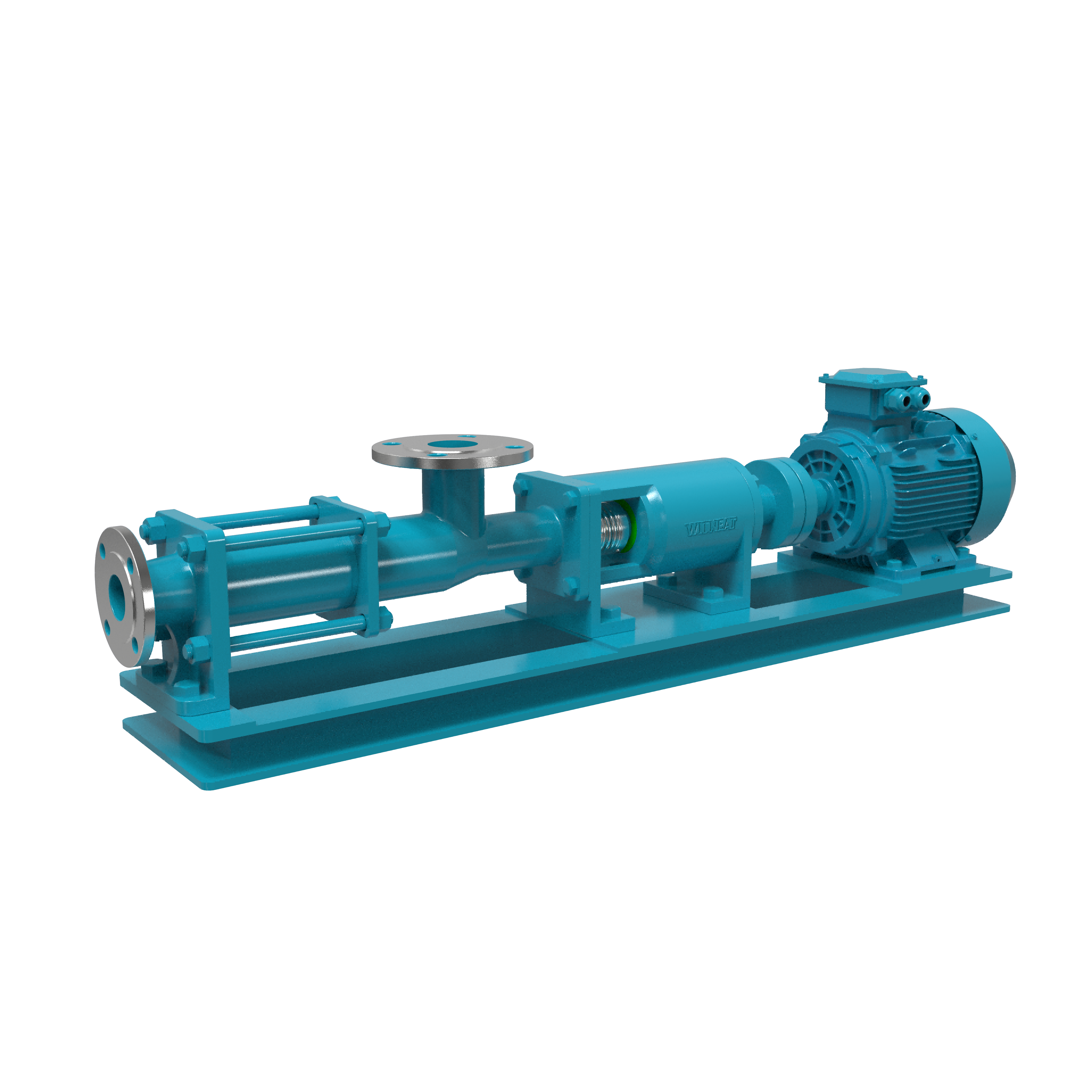


WYTIHF
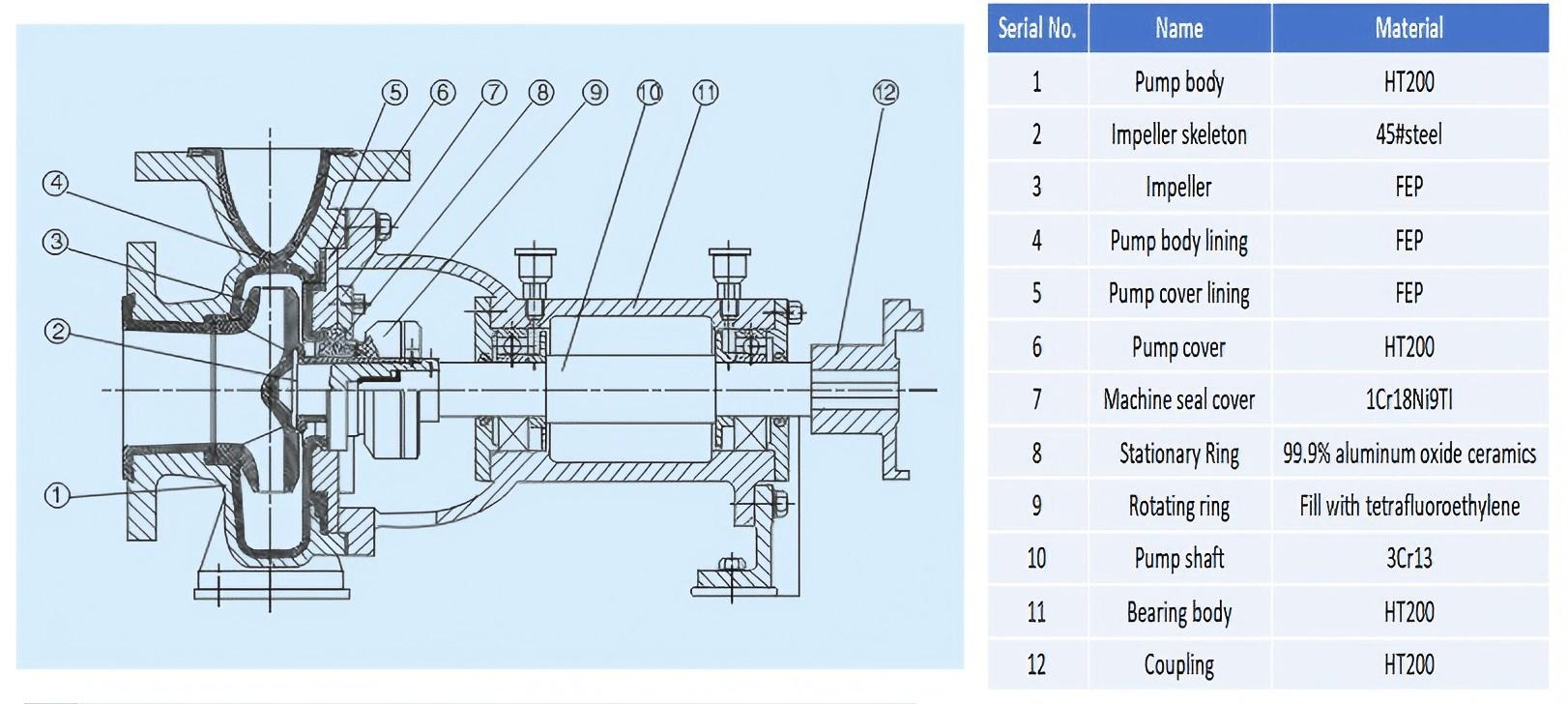
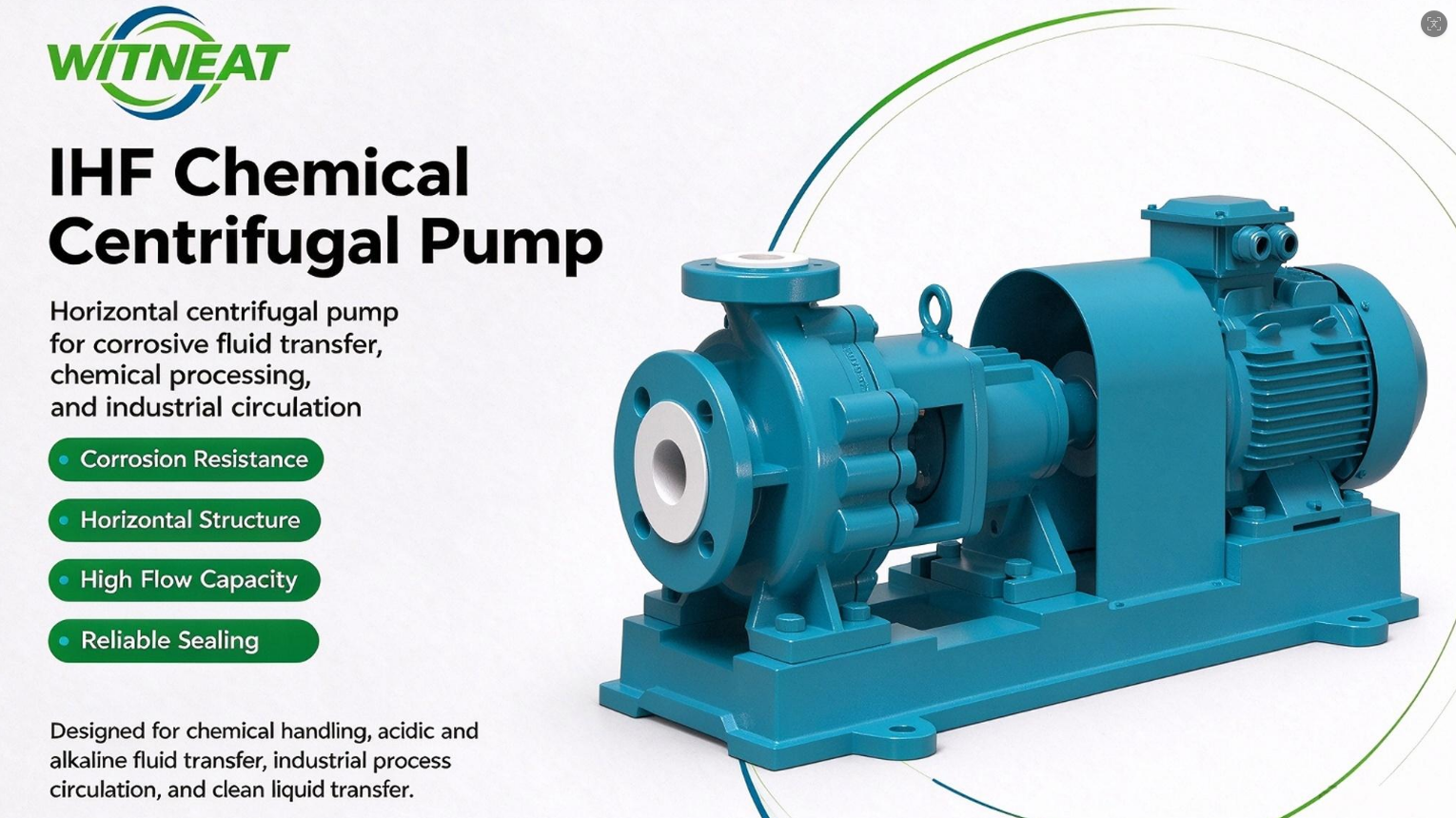
IHF Chemical Centrifugal Pump
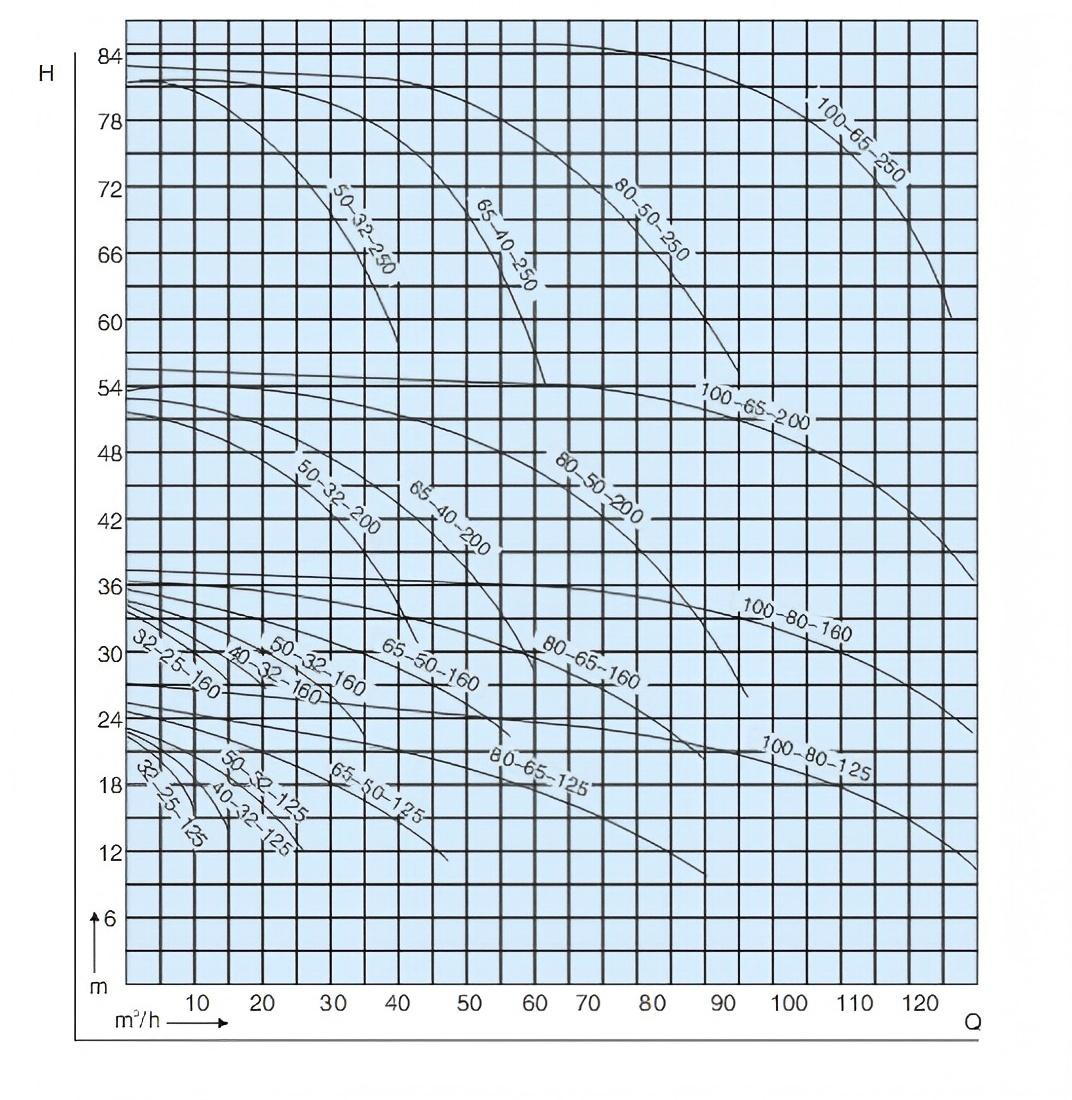
Head Range:4.5-80m
Inlet/Outlet Range:DN20-DN200
Motor Power:0.5-90KW
IHF Chemical Centrifugal Pump
Application Scenarios
- Chemical industry
- Petroleum and metallurgy
- Pharmaceutical and Food
- Environmental protection and waste water treatment
Product Advantages
- High efficiency and energy saving
Wide performance range, high efficiency, stable operation and low energy consumption.
- Strong corrosion resistance
- Wide range of medium temperature
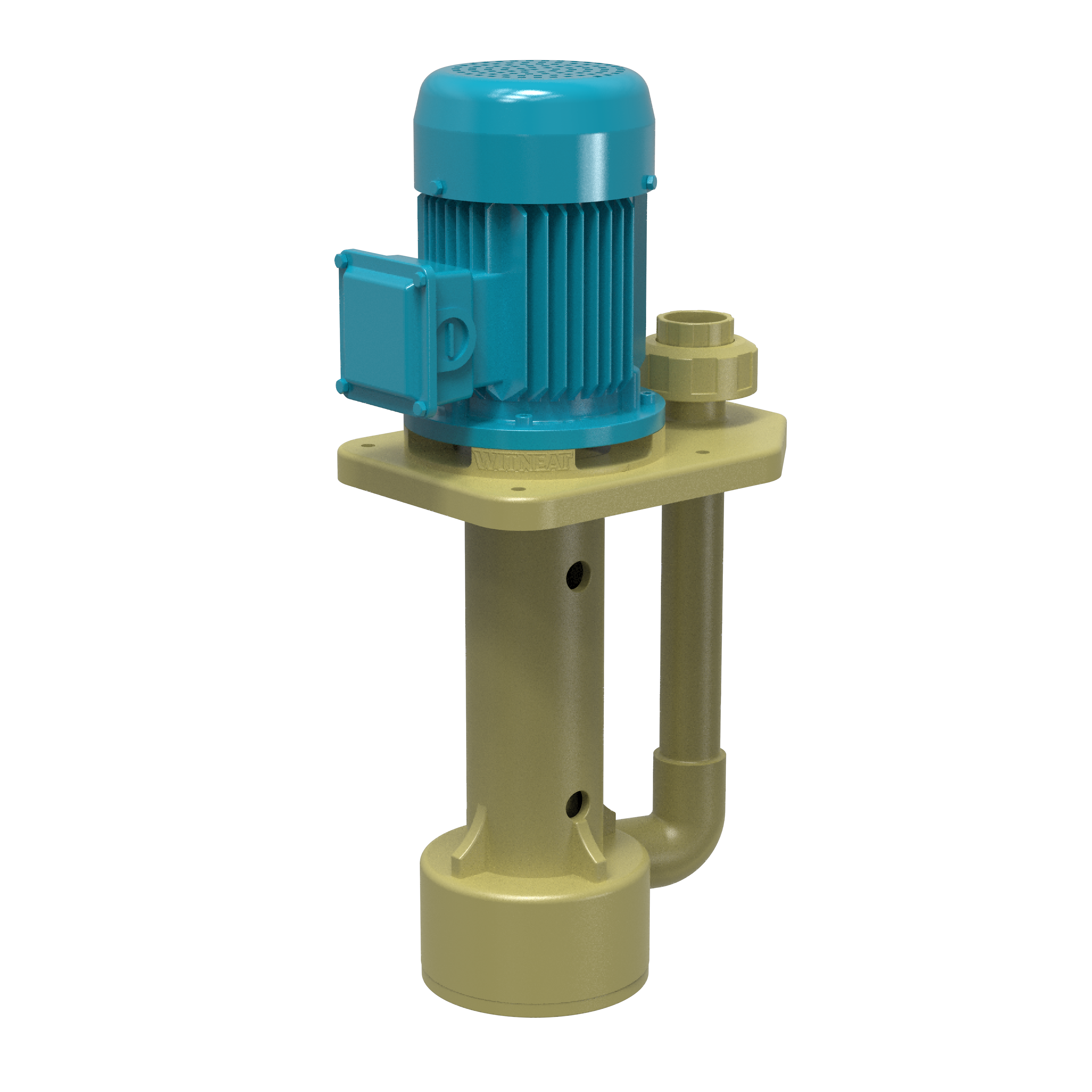
IHF Chemical Centrifugal Pump VS CNY Vertical In-Tank Chemical Pump
| sheet | ||
| Comparison Items | IHF Chemical Centrifugal Pump | CNY Vertical In-Tank Chemical Pump |
| Installation Form | Horizontal base mounted, separate from tank | Vertical submerged type, directly installed on tank cover |
| Suction Condition | Needs liquid filling before start, no self-priming | Liquid submerges impeller, flooded suction, no filling required |
| Maintenance Access | Easy access to mechanical seal & impeller from outside | Need to lift out the whole pump for internal parts service |
| Application Scene | Long-distance transfer, high head, pipeline chemical delivery | Tank circulation, short cycle, small occupied floor space |
FAQ for IHF Chemical Centrifugal Pump
Q1: Does the IHF chemical centrifugal pump support self‑priming operation?
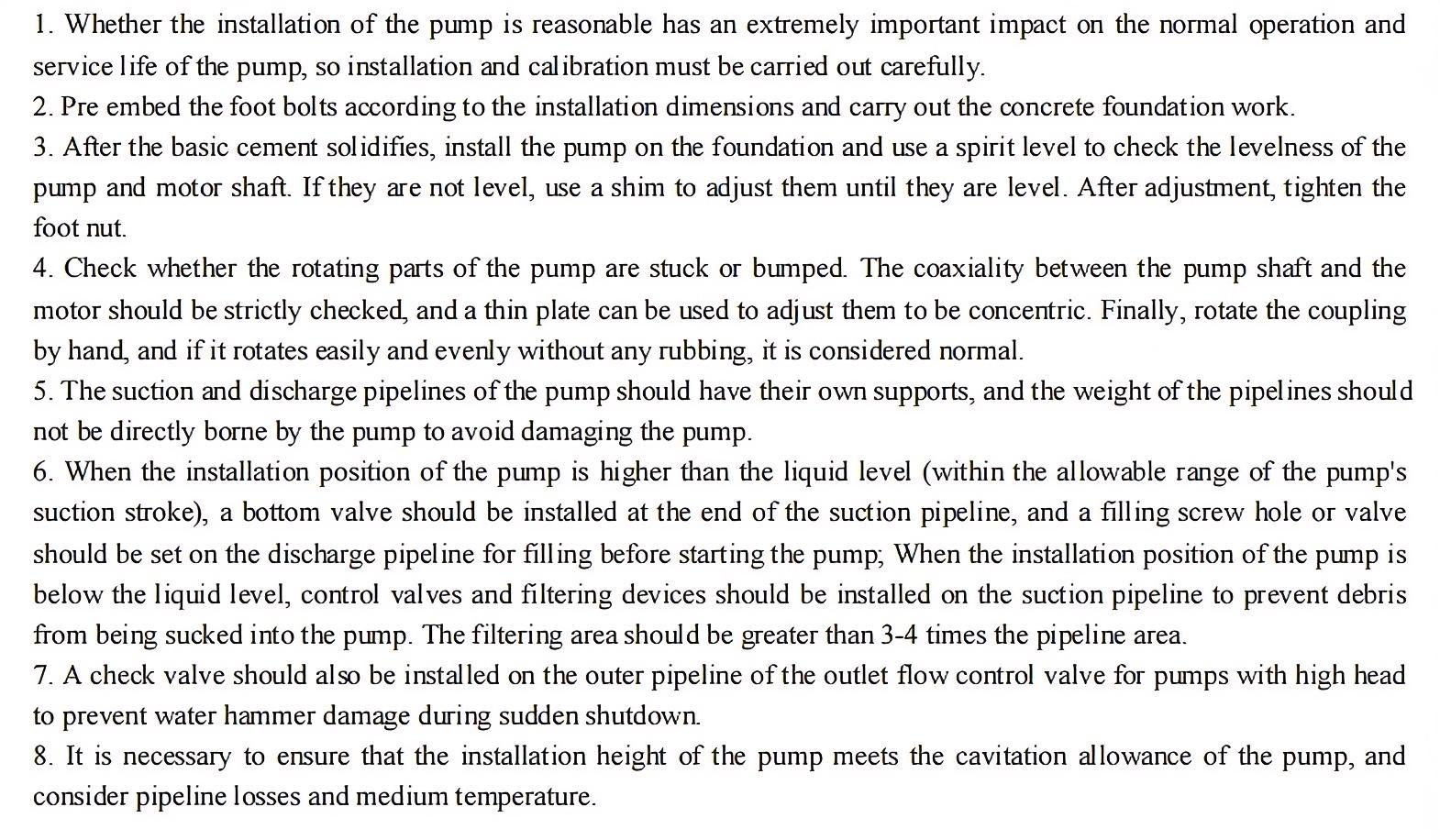
A1: No, this horizontal fluorine‑lined pump has no self‑priming function. It needs full liquid priming before startup. Install a bottom valve if liquid level is below pump centerline. Dry‑run will damage the mechanical seal and fluoroplastic lining.
Q2: What media and temperature range are suitable for IHF pump?
A2: Its wetted parts are fluoroplastic‑lined for corrosive acid, alkali and salt solutions. No hard particles or fibers are allowed. Normal working temperature: -20℃ ~ 100℃. High‑temperature type is available for custom order. Abrasive media will speed up lining and seal wear.
Q3: What are main failure points and daily maintenance for IHF pump?
A3: The mechanical seal is the key wearing part, easily damaged by dry‑running, particles and medium crystallization. Regularly check leakage, temperature and vibration. Flush pump chamber after pumping crystallizable liquid. Drain residual liquid for long‑time storage. Never regulate flow by closing the suction valve.