

WYTLW
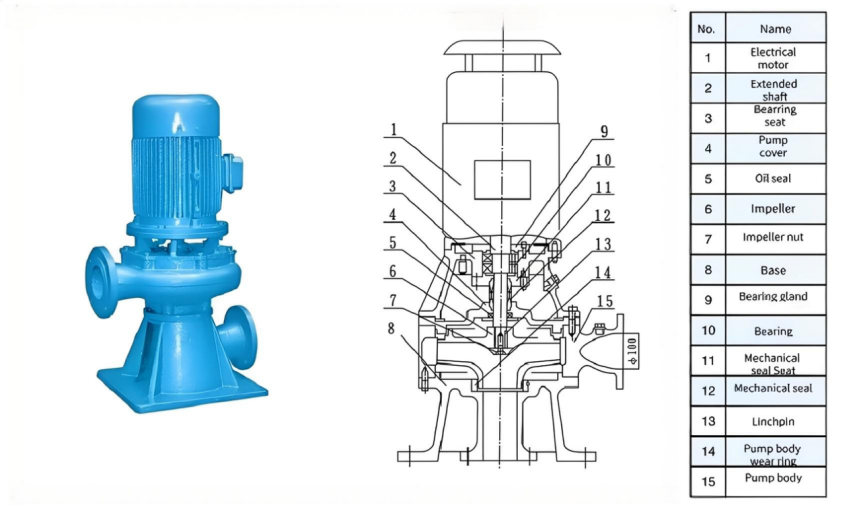
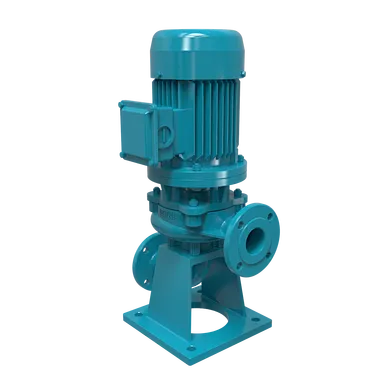
LW Type Cast Iron Non-clogging Vertical Sewage Pump
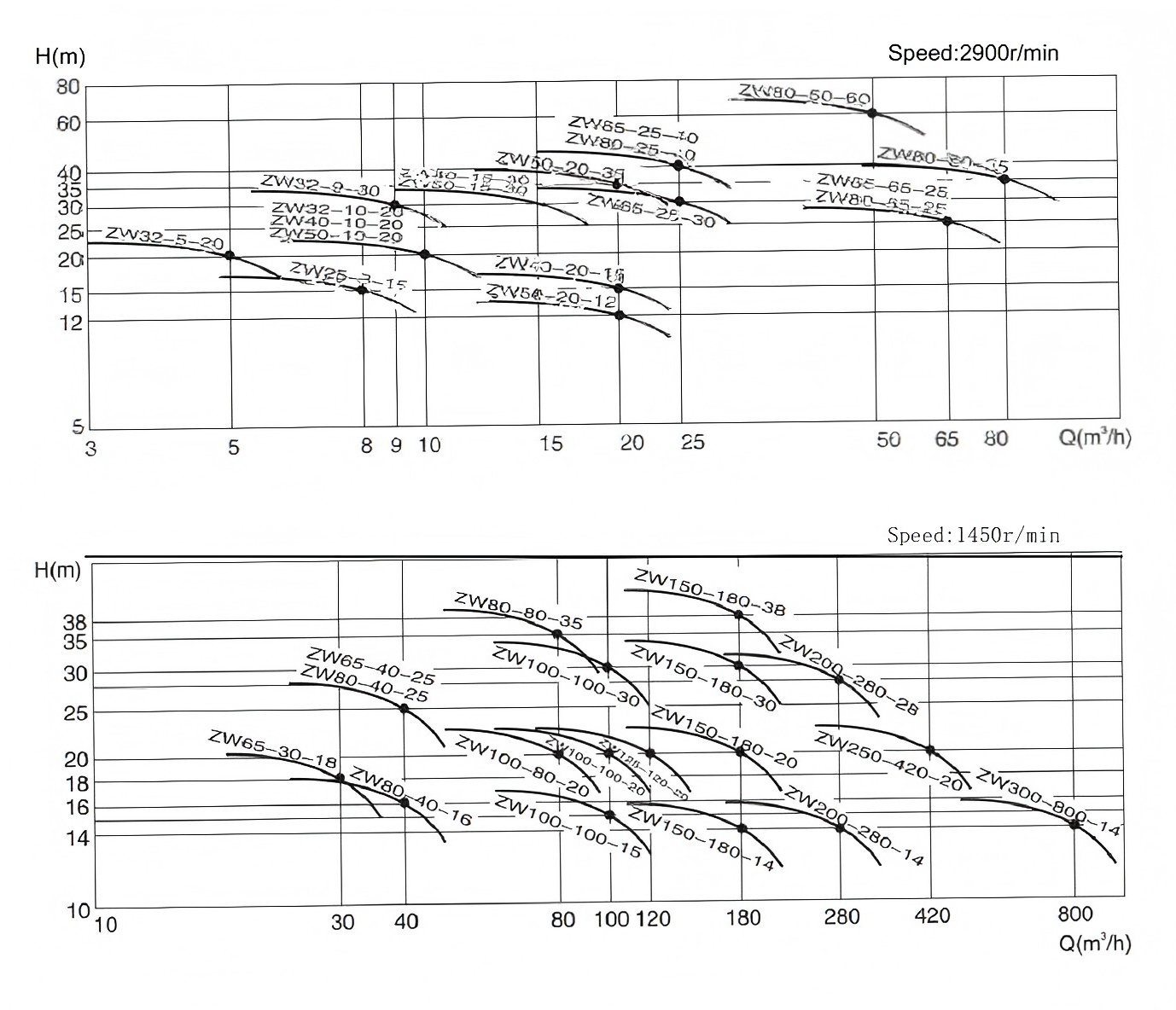
Head Range:5-60m
Motor Power:0.75-200kw
Inlet/Outlet Range:DN25-DN200
LW Type Cast Iron Non-clogging Vertical Sewage Pump
Application Scenarios
- Municipal Engineering
Sewage treatment plants, rainwater drainage, and underground pipe network sewage discharge all rely on efficient sewage pumps to handle demanding flows. Over time, these critical operations may require professional sewage pump repair to address wear, or a complete sewage pump replacement to ensure uninterrupted system performance.
- Industrial WastewaterDischarge
Mine drainage, paper mill wastewater, and food processing waste residue transportation.
- Building Drainage
Sewage discharge from basements, civil air defense projects, and subway stations.
Product Advantage
- Energy-saving and HighlyEfficient
Through hydraulic model optimization and matched motor design, the unit’s overall efficiency is substantially increased while energy consumption is reduced. For sewage pumps in particular, this translates into fewer failures, less frequent sewage pump repair, and longer intervals before sewage pump replacement becomes necessary.
- Intelligent Control and Protection
An optional automatic control cabinet can be equipped to achieve liquid level linkage start and stop, overload, over-temperature and leakage protection. There is no need for dedicated personnel to stand by. A protective cover is added to the fan end of the motor, making it safer for outdoor use.
- Convenient Maintenance
The modular construction enables rapid disassembly and reassembly, allowing pipelines to stay in place during service and thereby reducing overall upkeep expenses. This benefit is especially valuable when performing sewage pump repair or sewage pump replacement on any type of sewage pumps, as it minimizes downtime and simplifies onsite work.
Comparison Table: LW Type Cast Iron Non‑clogging Vertical Sewage Pump VS QW Submersible Sewage Pump
| omparison items: **Installation Structure, Motor Working Condition, Main Features, Typical Application Scenarios** | ||
| Item | LW Type Cast Iron Non‑clogging Vertical Sewage Pump | QW Non‑clogging Submersible Sewage Pump |
| Installation Structure | Dry‑type vertical floor‑standing installation; support fixed automatic coupling or mobile free installation | Submerged integrated installation, placed inside the sewage pit; support coupling or mobile installation |
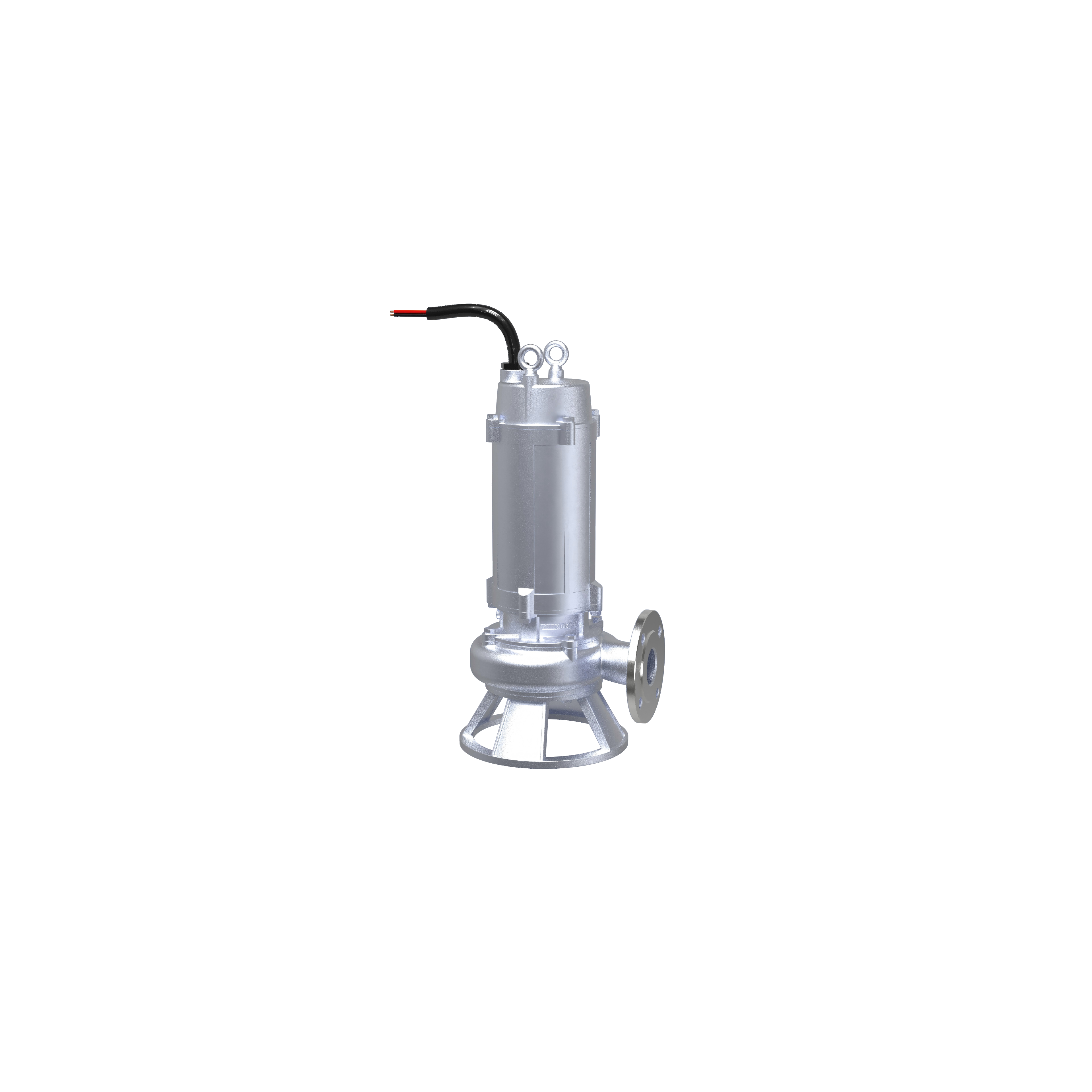
| Motor Working Condition | Motor is fully located above the liquid level, runs in dry environment, not exposed to sewage | Motor is completely submerged in sewage medium during operation |
| Main Features | Cast‑iron pump body, non‑clogging impeller, convenient motor maintenance, no need to lift pump out of sewage pit for motor inspection; large particle passing capacity | Compact size, no pump‑room required; built‑in leakage and over‑temperature protection; limited maintenance accessibility, need lifting for overhaul |
| Typical Application Scenarios | Municipal sewage stations, factory sewage discharge, construction sites, occasions requiring easy motor inspection and maintenance | Basement drainage, small sewage pools, rainwater lifting, compact underground sump with limited upper‑space |
FAQ for LW Type Cast Iron Non‑clogging Vertical Sewage Pump
Q1: What media can the LW cast‑iron non‑clogging vertical sewage pump transport?
A: It is designed for sewage mixed with fibers and solid particles. The allowable medium temperature shall not exceed 60℃, and medium specific gravity is 1‑1.3 kg/dm³. The cast‑iron pump body fits media with PH 5‑9. For strongly corrosive wastewater, please choose the stainless‑steel version.
Q2: What core advantages does it have compared with WQ submersible sewage pump?
A: Its motor is mounted above the liquid level and operates in dry condition. You can carry out motor inspection and maintenance without hoisting the pump out of the sewage pit. It supports two installation modes: fixed automatic coupling installation and mobile free installation. It is more suitable for sites with frequent maintenance demands.
Q3: What are common solutions when the pump runs but delivers low flow?
A: First check whether the motor rotates in the correct direction. Then clear debris tangled in the impeller or pipeline. Verify that the actual working head matches the pump’s rated parameter. Replace worn sealing parts if necessary. Over‑dense conveying medium will also lead to insufficient flow.